

Today is July 27, and it’s a day full of breakthroughs, heartbreak, and bold decisions.
From a tragic brushstroke to a life-saving discovery, Olympic triumph to Olympic tragedy —
this one takes us from the battlefield to the canvas to the stars.
Let’s rewind the clock and explore what happened on July 27.
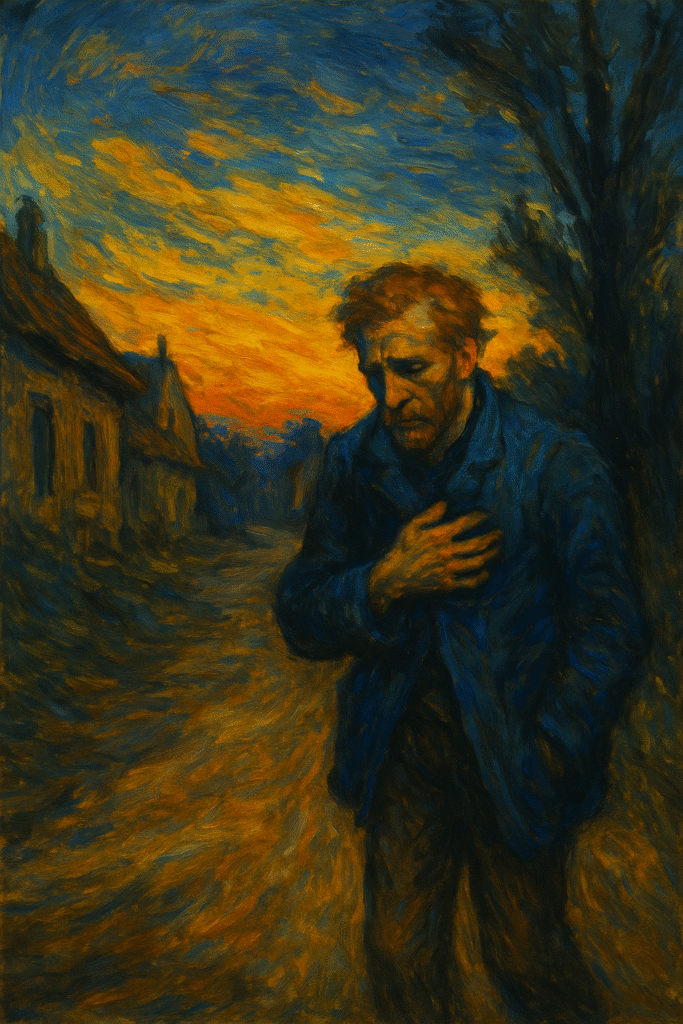
🎨 1890 – Van Gogh’s Final Days
We begin in a quiet French village.
On July 27, 1890, Vincent van Gogh — tormented and misunderstood — shot himself in the chest.
He managed to walk back to his inn and died two days later.
He left behind over 2,000 pieces of art… and one of the most haunting stories in art history.
Ignored in life. Immortal in legacy.
Do you have a favorite Van Gogh painting? Let us know in the comments.
✈️ 1909 – Orville Wright Tests Military Plane
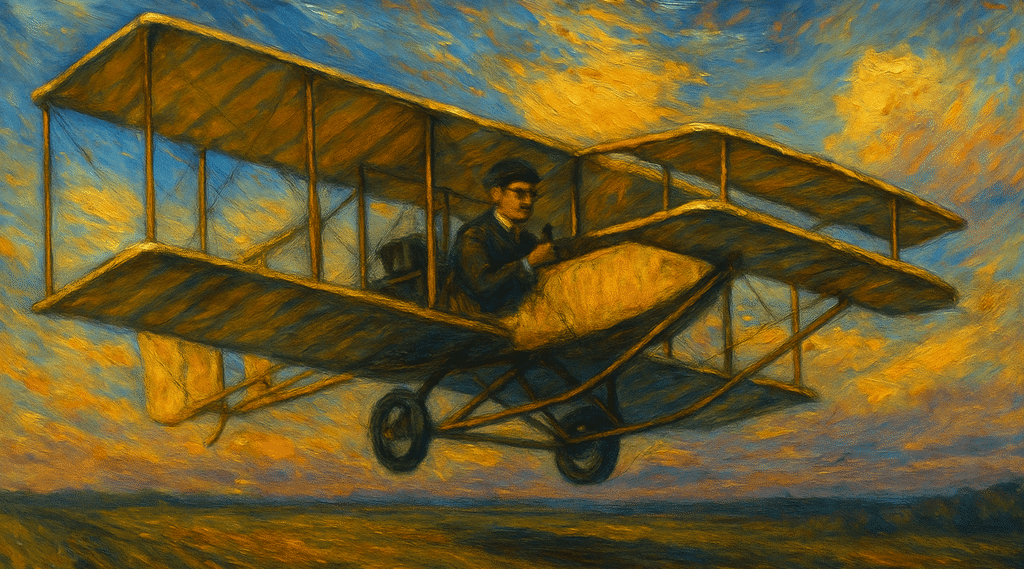
Only six years after Kitty Hawk, Orville Wright was back in the sky — this time flying for the U.S. Army.
He stayed airborne for over 72 minutes, proving that flight wasn’t just a novelty anymore.
It was practical. And powerful.
From wind tunnels to war rooms — the future of aviation was taking shape.
🔥 1919 – The Chicago Race Riot
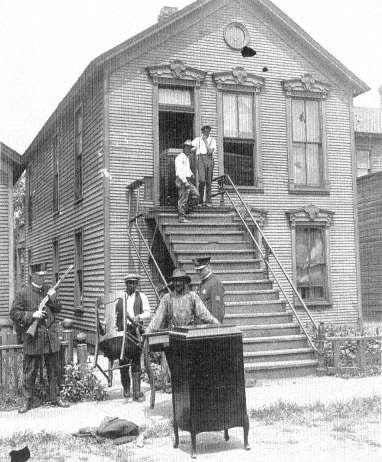
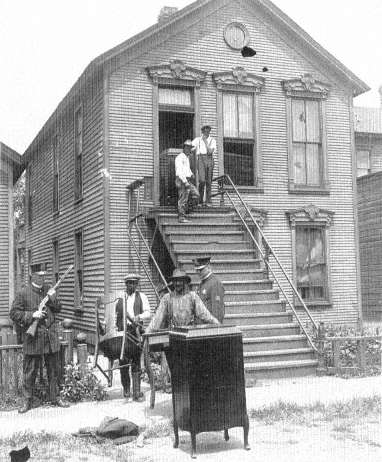
On this day in 1919, a racial attack on a Black teenager sparked the Chicago Race Riot.
The violence raged for five days — killing 38 and injuring over 500.
It became one of the deadliest events of what’s now known as the Red Summer — a wave of racial violence across the United States.
A painful reminder of how far we’ve come… and how far we still have to go.
Photo: Public domain – via Wikimedia Commons
📡 1920 – First Aircraft Radio Navigation
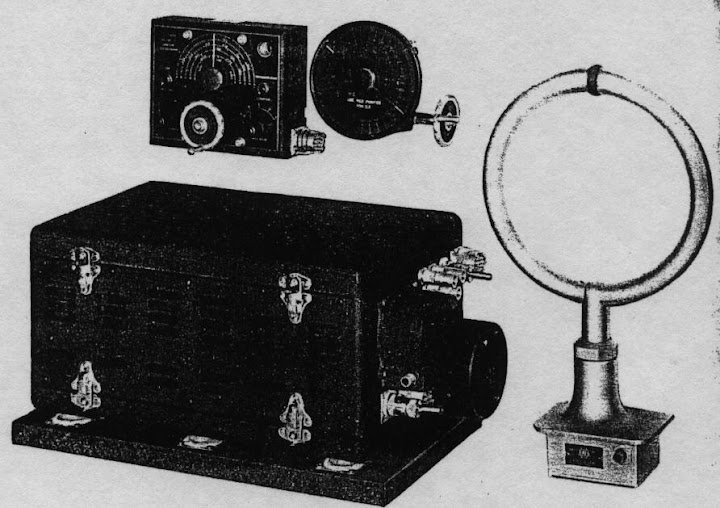
Pilots got a new co-pilot on July 27, 1920 – the radio compass.
For the first time, aviators could navigate without needing to see the ground. Clouds, fog, and night skies were no longer barriers.
The age of instrument flight had officially begun.
💉 1921 – Insulin Isolated in Toronto
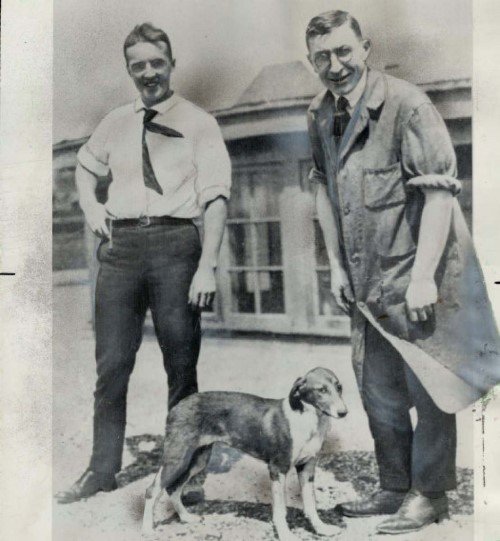
In a small lab in Canada, Frederick Banting and Charles Best isolated insulin for the first time.
The discovery revolutionized diabetes treatment — and has saved millions of lives since.
It all started with a dog, a dream, and a whole lot of scientific grit.
Can you imagine a world without insulin?
Photo: Frederick Banting & Charles Best with the first dog treated with insulin (Public domain), via Library and Archives Canada
🗺️ 1922 – International Geographical Union Formed
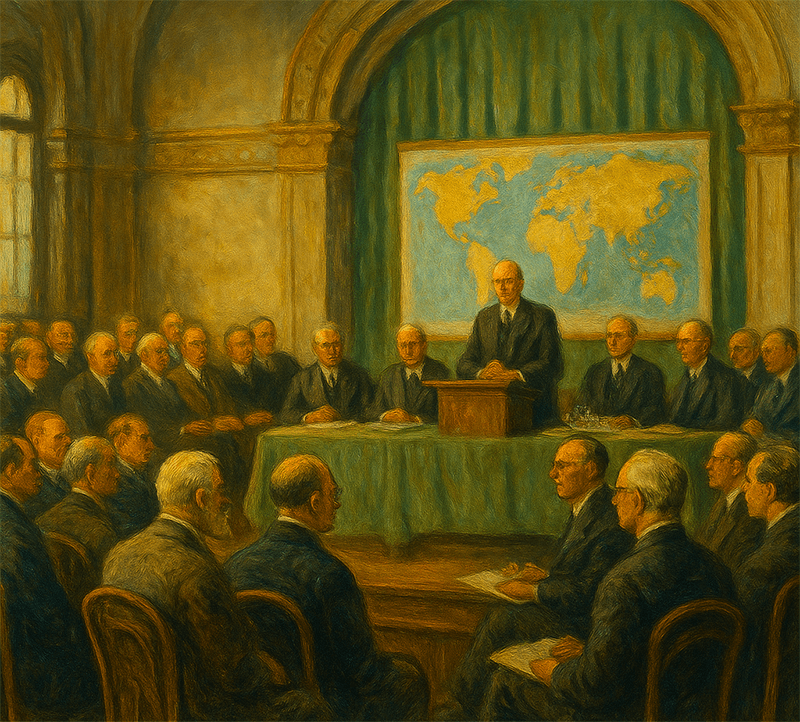
In Brussels, the International Geographical Union was created — bringing together scientists from around the world to share geographic knowledge.
One planet, many perspectives — united by curiosity.
🇨🇱 1931 – Chile’s President Resigns
Political unrest hit Chile in 1931, when President Carlos Ibáñez del Campo was forced to resign.
He had ruled with a strong hand — but the people pushed back.
In the end, even popular leaders can fall when the economy does.
⚔️ 1941–1944 – World War II Flashpoints
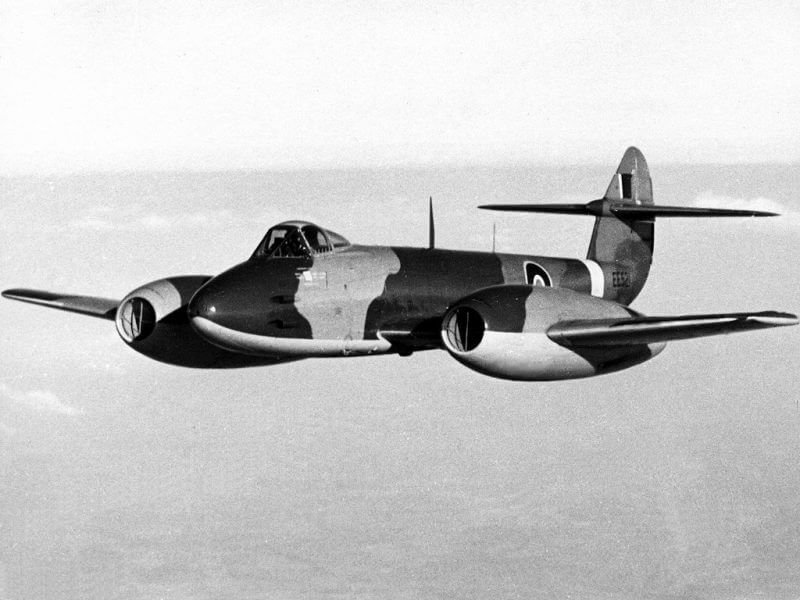
July 27 was no stranger to wartime action:
• 1941 – Nazi Germany invaded Ukraine, and Japan moved into Indochina.
• 1943 – Over 700 RAF bombers lit up Hamburg in a massive air raid.
• 1944 – Britain’s Gloster Meteor, the first Allied jet fighter, entered combat.
The skies were alive — with innovation and devastation.
Photo: Gloster Meteor — the Allies’ first jet fighter
✈️ 1949 – First Jet Airliner Takes Flight
The de Havilland Comet took off in 1949, becoming the world’s first jet-powered commercial airliner.
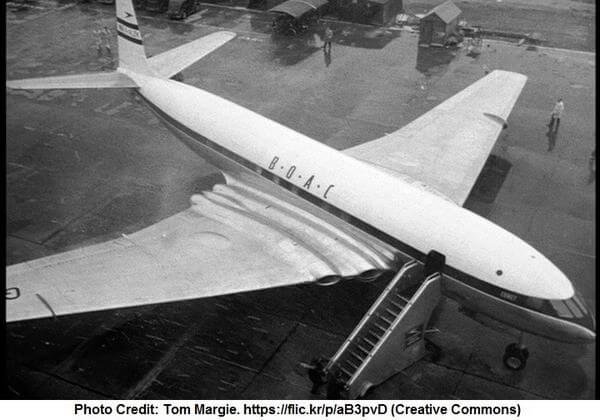
No more noisy props. No more waiting. Jet travel had arrived — for everyone.
🏃♂️ 1952 – Emil Zátopek’s Olympic Marathon
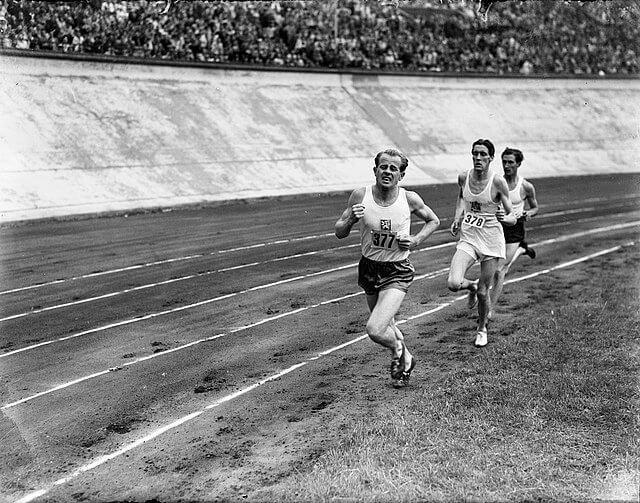
At the Helsinki Olympics, Czech runner Emil Zátopek stunned the world.
He won gold in the 5,000, 10,000, and then capped it off with a marathon win — on his first-ever marathon attempt.
Some call him the greatest endurance athlete in history. What’s the most inspiring Olympic moment you’ve ever seen?
🕊️ 1953 – Korean War Armistice Signed
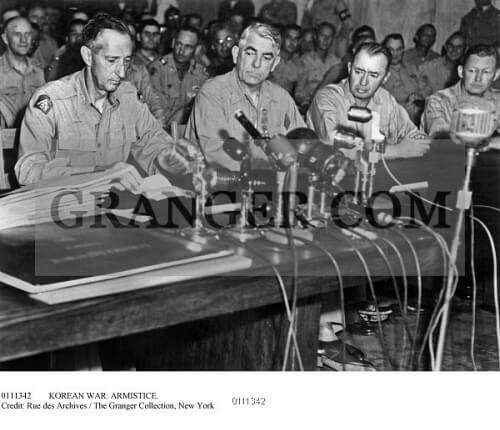
After three years of brutal fighting, the Korean War Armistice was signed in 1953.
It wasn’t peace — but it stopped the bullets. And it created the DMZ, which still divides North and South Korea today.
Photo: General Mark Clark signs the Korean War Armistice — Panmunjom, July 27, 1953 (Public domain, U.S. DoD)
🎙️ 1960 – Nixon Nominated for President
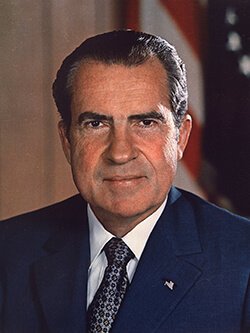
In Chicago, Richard Nixon was officially nominated as the Republican candidate for U.S. President.
He’d lose that year to Kennedy… but return eight years later to win — before resigning in disgrace.
Politics has its cycles. And Nixon lived them all.
Photo: President Richard Nixon
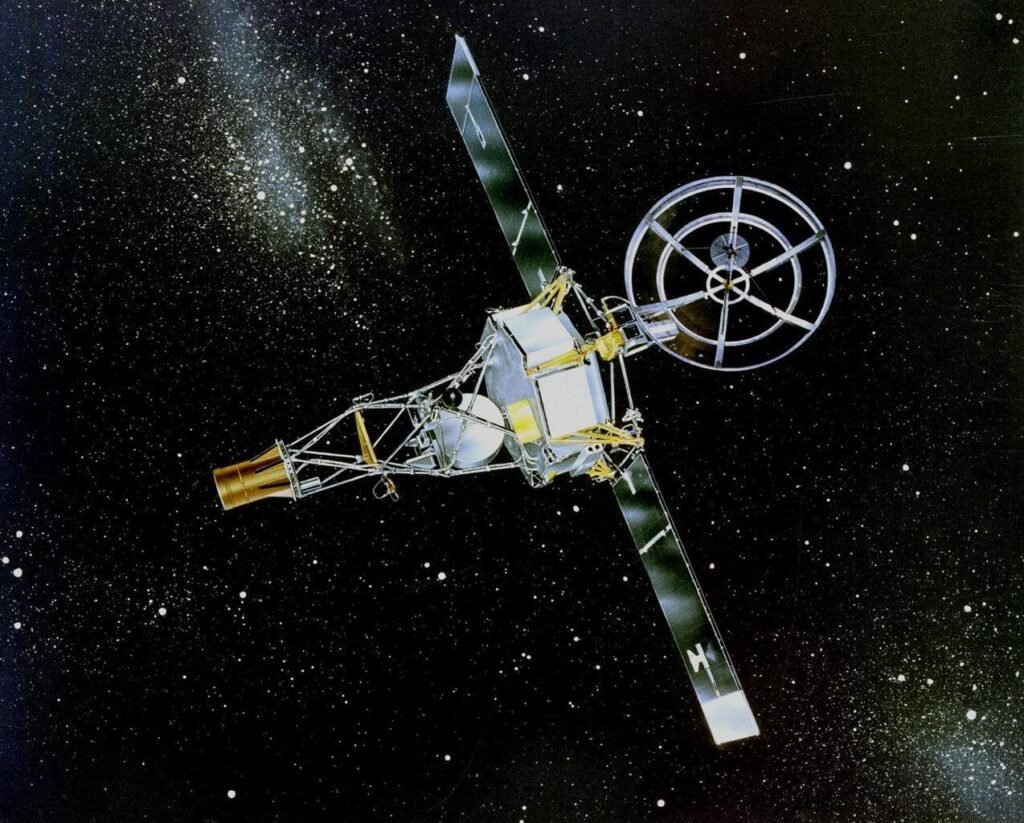
🪐 1962 – Mariner 2 Launches to Venus
NASA’s Mariner 2 launched toward Venus in 1962 — becoming the first spacecraft to successfully complete a planetary flyby.
In just a few decades, we went from sketching the stars… to visiting them.
Photo: Mariner 2 on its historic flight past Venus — NASA illustration
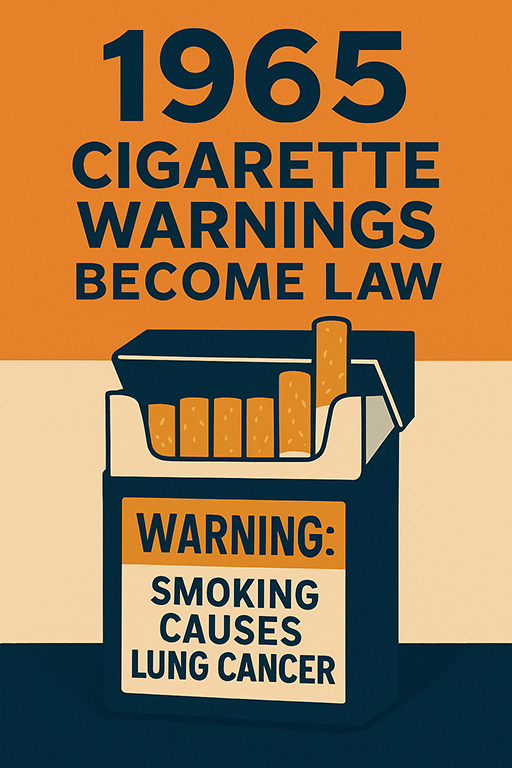
🚬 1965 – Cigarette Warnings Become Law
President Lyndon B. Johnson signed a law in 1965 requiring warning labels on cigarette packs.
It was a small sticker — but a big moment in public health.
💣 1996 – Atlanta Olympics Bombing

Tragedy struck in 1996, when a pipe bomb exploded at Atlanta’s Centennial Olympic Park.
One person died, 110 were injured, and global security was never the same again.
The games continued — but the joy was scarred.
🎆 2012 – Queen Opens London Olympics
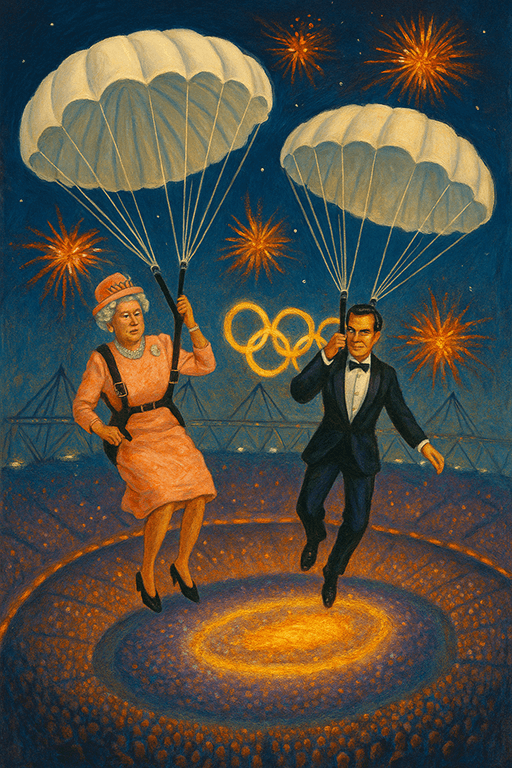
And in 2012, Queen Elizabeth II officially opened the London Summer Olympics.
The ceremony included music, fireworks — and even a parachuting James Bond impersonator.
Only in Britain!
🎂 Famous Birthdays on July 27
• 1922 – Norman Lear – Creator of All in the Family and a titan of American TV.
• 1929 – Jack Higgins (Henry Patterson) – British thriller author known for The Eagle Has Landed.
⚰️ Notable Deaths on July 27
• 1970 – António de Oliveira Salazar – Former authoritarian leader of Portugal.
• 1980 – Mohammad Reza Pahlavi – The exiled Shah of Iran, died in Cairo.
• 2003 – Bob Hope – Beloved comedian and USO performer who brought laughter to the front lines.
And that’s July 27 — a day of genius, grit, heartbreak, and history.
From Van Gogh’s final frame to insulin’s first breath…
From Olympic glory to wartime scars…
Every corner of time left its mark.
So which moment hit you hardest — the brushstroke, the breakthrough, or the bombshell?